
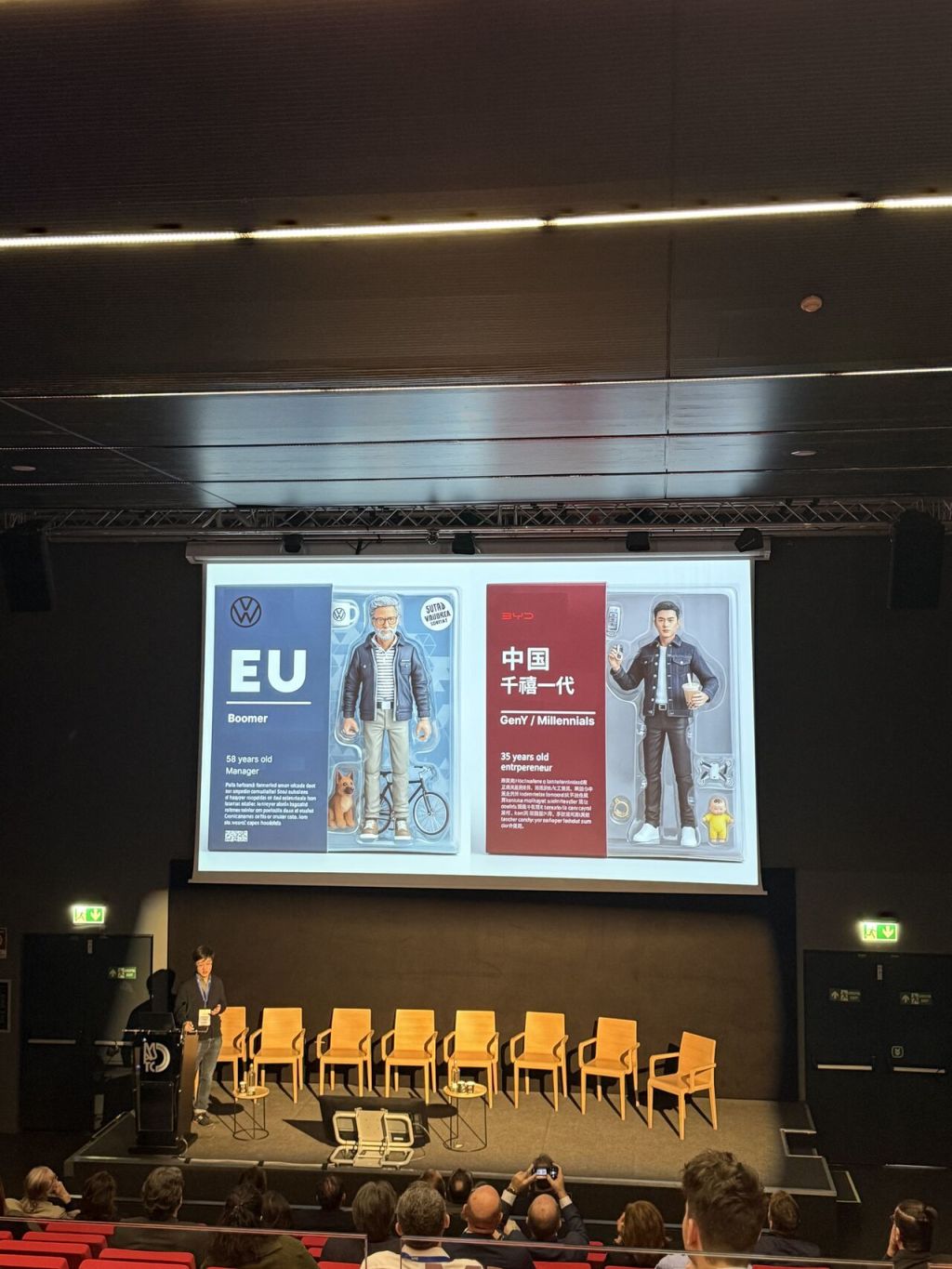
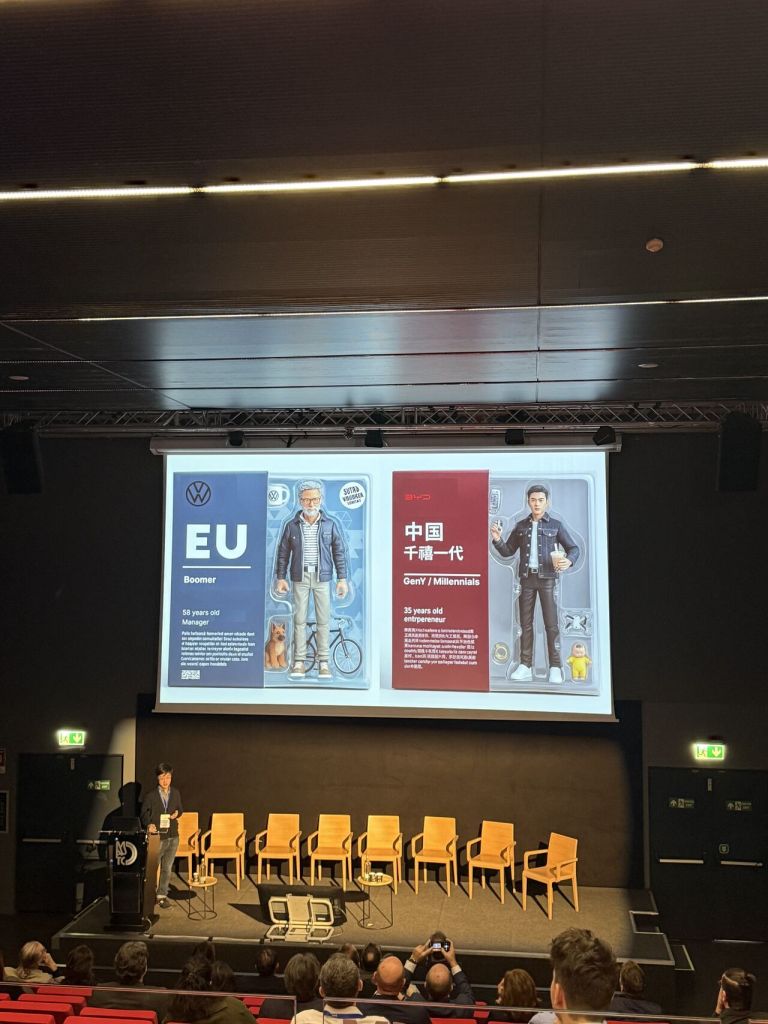
Last week at the Driving Vision News Turin Interior Workshop, I shared one key takeaway from a design workshop on automotive interiors, using Polestar as a case study: There is no “global interior.” What feels premium, comfortable, or intuitive isn’t guaranteed universal.
It’s shaped by cultural familiarity, emotional comfort, and aesthetic belonging.
EU vs. China differences go far beyond visible factors like age or digital habits.
The deeper layer is how people grow up in different cultural dimensions, which strongly influences what they perceive as “good design.”
Background shapes perception.
Perception shapes preference.
Preference defines design.
How do you define “premium” in your region, and what signals matter most to users today?
 Parallel Drive
Leave a comment